
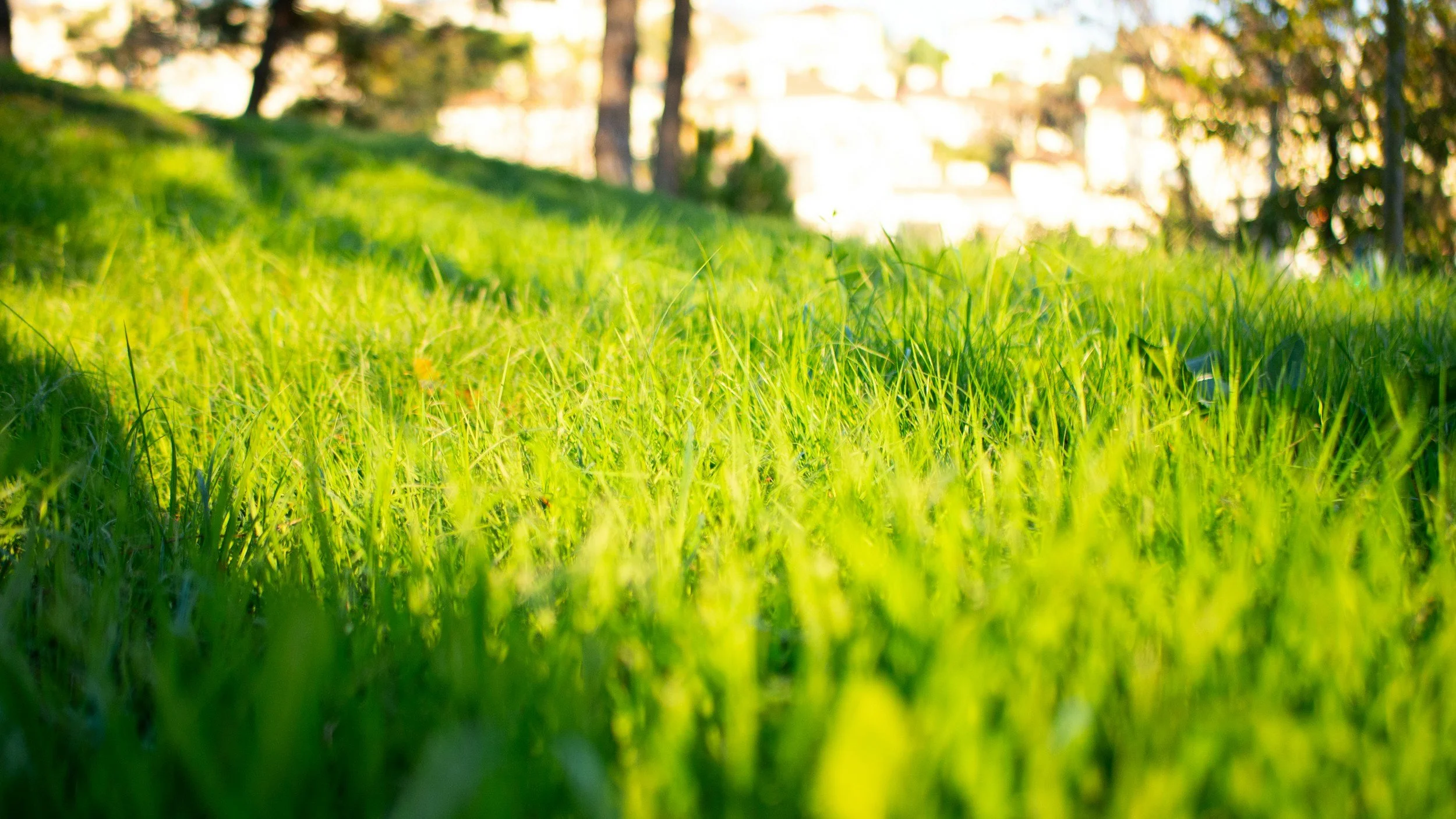
A Step-by-Step Guide For Each Month of the Year For a Thick and Beautiful Lawn in Southeast Pennsylvania
I know you’ve been there.
You care about your lawn. You keep it trimmed and mowed.
But still, you look down at it and find it’s patchy. Stubby. Unwell.
If you want a lawn that looks thick, green, and healthy in Lancaster County, the secret isn’t just mowing regularly. The secret is doing the right lawn care tasks at the right time of year.
Our Climate:
Lancaster County has cold winters, humid summers, strong spring growth, and peak grass recovery in fall.
For cool-season lawns like ours, fall is the most important time of year for lawn improvement.
As they say, “What you do in the fall determines it all.”
Our Soil:
Much of Lancaster County contains clay-heavy soil, which tends to:
compact easily
drain slowly
restrict oxygen flow to roots
Because of this, core aeration is one of the most important lawn care practices in our region.
Aeration breaks up compacted soil and allows water, nutrients, and oxygen to reach the grass roots where they are needed most.
Our Grass:
The most successful lawns in our region usually contain a mix of:
Tall Fescue
Kentucky Bluegrass
Perennial Ryegrass
These grasses thrive in Pennsylvania’s climate but require a specific maintenance schedule.
Here’s what you need to do (and when you need to do it):
1. January
Plan improvements for the coming season:
Find the thin areas in your lawn
Watch where water drains poorly and pools on top of the soil
Evaluate soil compaction
Clean, service, and prep your lawn equipment, either yourself or at a local dealer
sharpen blades
replace trimmer line
change oil
replace air filter, fuel filter, and spark plug, if needed
clean grime
inspect belts and cables
tighten bolts
lubricate moving parts
check tire pressure
Pro Tip: Many Pennsylvania lawns struggle because the soil is too compacted for roots to grow properly.
Signs of compaction include:
water pooling on the surface
patchy grass growth
thin or weak turf
If your lawn suffers from these problems, core aeration is a must in the spring or fall.
2. February
Prepare for spring growth while grass is still dormant but temperatures slowly begin to rise.
Clean up fallen branches
Schedule spring fertilization
Schedule aeration if needed
Make sure equipment maintenance is complete
Pro Tip: Dull mower blades tear grass rather than cutting it cleanly.
Torn grass:
loses moisture
becomes vulnerable to disease
turns brown at the tips
3. March
Grass begins slowly waking up as soil temperatures rise above 50°F.
Lightly cleanup debris
Do soil testing
Early fertilization (if needed)
A soil test reveals:
pH levels
nitrogen content
phosphorus levels
Pennsylvania lawns typically perform best with soil pH between: 6.0 and 7.0. If your soil is too acidic, lime applications might be needed.
Pro Tip: Don’t Fertilize Too Early.
Applying heavy fertilizer before grass is actively growing can actually encourage weeds more than grass. Patience in early spring pays off.
4. April
April is when lawns in Lancaster County begin growing more actively.
First regular mowing
Light fertilization
Weed prevention
Core aeration (if not waiting until fall)
Pro tip: Mowing Height Matters.
Never cut more than one-third of the grass blade at once. Cutting too short stresses the lawn and encourages weeds.
Recommended mowing height: 3 to 3.5 inches
Taller grass shades the soil and suppresses weeds naturally.
5. May
May is often the most beautiful month for Pennsylvania lawns and is prime growing season.
To Do:
Regular mowing
Weed control
Spot fertilization
Overseeding small patches
Pro Tip: Grass Crowds Out Weeds
The healthiest lawns are thick enough that weeds struggle to establish themselves.
The key to weed prevention isn’t just chemicals — it’s density.
A thick lawn naturally crowds out weed seedlings.
6. June
As temperatures rise, lawns begin transitioning into summer survival mode. Prepare for summer stress.
To Do:
Raise mowing height
Begin deep watering
Monitor for pests
Pro Tip: Water Really Matters
Rather than watering lightly every day, water deeply 1–2 times per week.
Goal: 1 inch of water per week
Deep watering encourages deeper root systems, which helps lawns survive summer heat.
7. July
July is often the most stressful month for lawns in Lancaster County.
To Do:
Mow less frequently
Avoid heavy fertilization
Monitor drought stress
Pro Tip: Don’t Fight Dormancy
Cool-season grasses sometimes go partially dormant during extreme heat.
This is natural and often temporary.
Trying to force growth during intense heat with fertilizer can actually damage the lawn.
8. August
Prepping for the most impactful time: late summer is when experienced lawn professionals begin planning fall improvements.
To Do:
Schedule aeration
Plan overseeding
Prepare fall fertilizer
Fall lawn work is where the biggest transformations happen.
9. September
September is widely considered the best month for lawn improvement in Pennsylvania.
Cool temperatures and warm soil create ideal growing conditions.
To Do:
Core aeration
Overseeding
Fall fertilization
Pro tip: Aeration Augments Everything
Core aeration removes small plugs of soil from the lawn. Benefits include:
Reduced compaction
Improved drainage
Better nutrient absorption
Stronger root systems
Overseeding introduces new grass seed into existing turf. Benefits include:
Thickening of thin lawns
Improvement of lawn color
Increase in disease resistance
This combination of aeration + overseeding is one of the most powerful lawn improvements you can make all year.
10. October
October continues to be excellent for lawn growth. Develop roots before dormancy.
To Do:
Continue overseeding if needed
Apply fall fertilizer
Leaf management
Pro Tip: Leaves Can Smother Lawns
Leaving thick layers of leaves on the lawn blocks sunlight and traps moisture.
Mulching leaves with a mower or removing heavy layers keeps grass healthy.
11. November
Grass growth slows dramatically as temperatures drop.
To Do:
Final mowing
Final fertilizer application
Leaf cleanup
Pro tip: Final Mowing Height. The final mow of the year should be slightly shorter:
Around 2.5–3 inches
This helps prevent mold and disease during winter.
12. December
By December, lawns are fully dormant.
To Do:
Avoid heavy foot traffic on frozen grass
Clean and store lawn equipment properly
Plan next year’s improvements
Pro Tip: Protect Dormant Grass. Walking repeatedly across frozen grass can break the brittle blades and damage crowns.
Try to limit winter traffic when possible.
The Four Lawn Care Principles That Matter Most
Across the entire calendar, four principles determine lawn success in Lancaster County.
1. Aeration Is Essential
Clay soils compact easily.
Annual aeration dramatically improves lawn health.
2. Fall Is the Most Important Season
Most lawn improvements should happen in fall:
aeration
Overseeding
Fertilization
3. Mow Higher Than You Think
Taller grass:
Shades weeds
Retains moisture
Builds stronger roots
4. Deep Roots Create Strong Lawns
Deep watering and aeration encourage root systems that can survive drought and stress.
Professional Lawn Care in Lancaster County
Maintaining a beautiful lawn in Lancaster County requires careful timing and consistent care throughout the year.
While many homeowners handle some tasks themselves, professional lawn care services can help with:
Core aeration
Overseeding
Lawn renovation
Seasonal lawn treatments
At Lawn Legend, we help homeowners throughout Lancaster County build thicker, healthier lawns using proven lawn care techniques designed specifically for Pennsylvania’s climate and soil conditions.